The Best Dresses for Humid Weather
Humidity doesn’t forgive bad fabric choices. In high moisture conditions, heavy materials cling, trap sweat, and lose shape fast. The goal isn’t just style—it’s breathability, structure, and airflow. The right dress or tailored outfit in humid weather should allow movement, reduce skin contact, and maintain form even when temperatures rise.
1. Lightweight Cotton Dresses
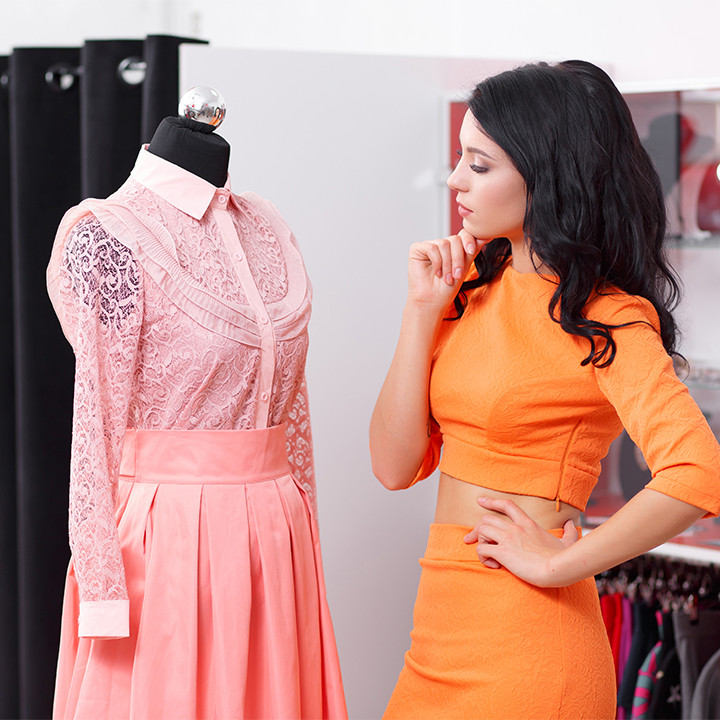
For women, cotton midi or knee-length dresses are reliable in humid climates. Cotton absorbs moisture and allows air circulation, preventing that sticky, suffocating feeling. Structured cotton—rather than thin, limp fabric—keeps the silhouette sharp while staying breathable. A-line cuts or relaxed wrap styles work best because they don’t cling to the midsection.
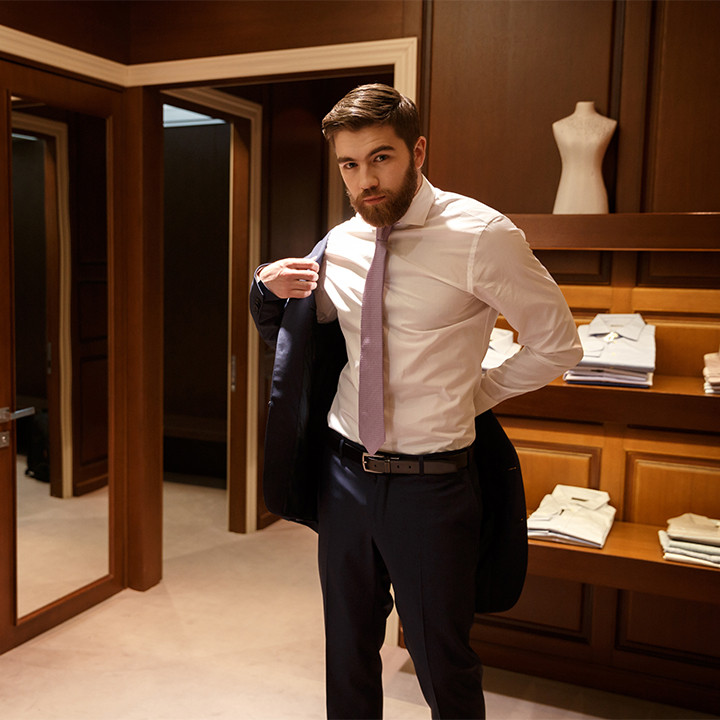
For men, lightweight cotton shirts paired with tailored trousers perform well. The shirt should not be oversized, but it shouldn’t be tight either. A slight taper at the waist maintains structure without restricting airflow.
2. Linen Dresses and Linen Blends
Linen exists for humid weather. It dries quickly and allows maximum ventilation. For women, linen shirt dresses or straight-cut midi dresses provide comfort without sacrificing shape. Accept the wrinkles—they are part of the fabric’s character. Trying to fight linen’s texture defeats its purpose.
For men, linen suits or linen-blend blazers are practical choices for semi-formal events in humid conditions. The fit should remain clean and tailored, but the fabric keeps the body cooler than traditional heavy suiting.
3. Loose Silhouettes With Controlled Structure
Humidity amplifies discomfort in tight clothing. For women, dresses with gentle flare—such as fit-and-flare or soft A-line styles—allow air circulation around the legs and waist. Avoid bodycon styles in humid climates; they trap heat and highlight sweat patches.
For men, relaxed yet tailored cuts are key. Slim-fit shirts that cling to the torso can become uncomfortable quickly. A modern straight fit that skims the body without sticking works better in damp conditions.
4. Sleeveless and Short-Sleeve Options
More fabric equals more heat retention. Sleeveless or short-sleeve dresses for women reduce sweat buildup around the underarms and shoulders. If modesty is a concern, choose breathable overlays rather than thick layers.
Men should consider short-sleeve tailored shirts or lightweight long sleeves with roll-up options. The structure should stay sharp, but fabric weight must stay low.
5. Light Colors and Breathable Linings
Dark colors absorb more heat. In humid weather, lighter shades reflect sunlight and feel cooler. For women, pastel or neutral-toned dresses perform better during daytime events. For men, light grey, beige, and soft blue shirts reduce visible heat absorption.
Equally important is lining. Heavy synthetic lining ruins an otherwise breathable dress. Choose garments with minimal or cotton-based lining to avoid trapping moisture.
What to Avoid
Polyester-heavy fabrics that don’t breathe. Thick synthetic blends. Tight silhouettes that restrict airflow. Excess layering. These choices turn humidity into a problem you created yourself.
Humidity requires strategic dressing. Choose natural fabrics, structured yet breathable cuts, and lighter tones. The right dress or tailored outfit should feel stable and comfortable even when the air is heavy. If your clothing works with the climate instead of against it, you stay composed—and that shows.